The last few weeks of being on the road a lot got me thinking that I really should comment on what’s been going on, and what I’m up to. i.e. What I actually do! And please excuse the amount of ‘wing shots’, but if ever there were a post to place these in, this is the one…
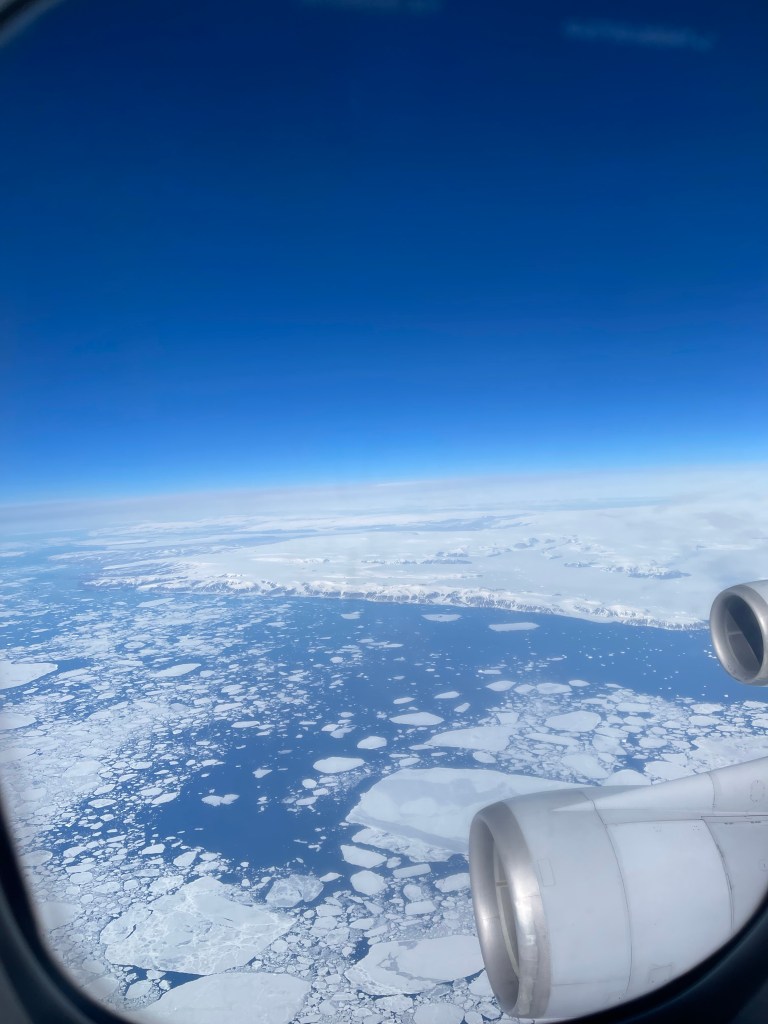
I came to India to take on this new role with GMR Airports, and this blog is never going to be about the content of the work I do. That isn’t the purpose of this, but it probably helps to set the context a bit which can help frame the reasons for being here (well, technically not ‘here’ as I’m away from Delhi as I write this, but you get the drift).
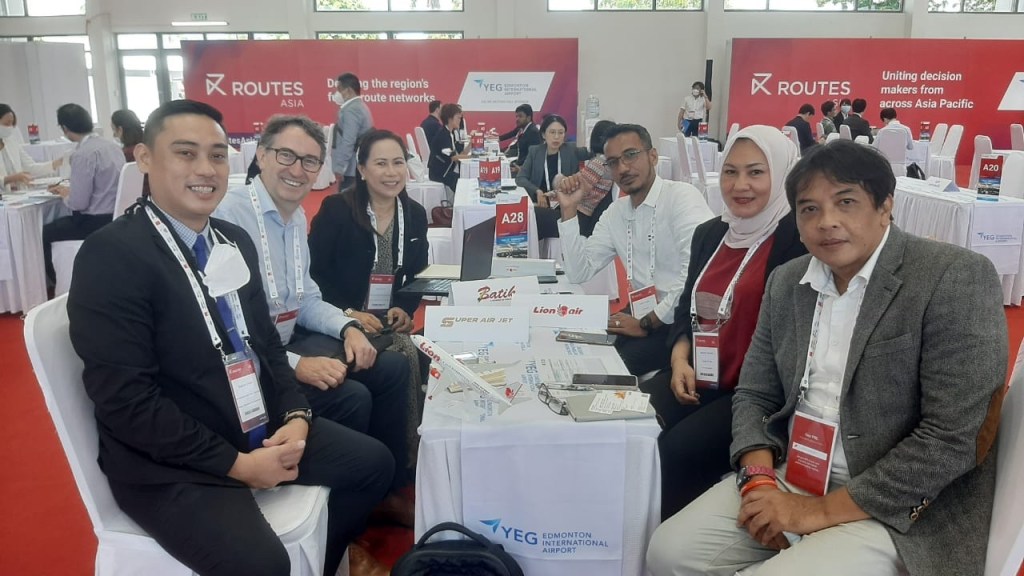
I am in India because of this fine company, and I am truly grateful to have been given the opportunity. In a nutshell I talk to airlines to get them to fly to our airports. Much more to it than that, but at a grass roots level, that is the crux of the job. Hence the need to travel to see the airlines, and as we emerge from the pandemic the appetite to meet in person is huge, and does indeed carry much more value than the incessant screen based meetings. These will always have a purpose, and are very useful for routine updates and all that, but for business development (which is a lot about relationships) then you can’t beat being there, and spending time with real people in person.
Each trip in and out of India does always carry that little inkling of hesitancy though. You never quite know what documents will be asked for, and how much of a grilling you might get. You actually cannot even enter the airport unless you have a valid ticket, so even to get into the terminal requires the presentation of passport and booking confirmation, which is closely scrutinised by the security chap usually dressed in full combat fatigues. However, that process does carry the benefit that once you are in it is less of a bustle and makes for a better overall experience.
Pre-pandemic the admin of travel was so much easier – we did not appreciate just how simple it was in hindsight. Nowadays an international departure requires a myriad of various possible documents to be checked, and this last trip it’s a good job I had printed off my U.S. ESTA and Canadian ETA as the check in agent insisted on seeing them (despite the fact they are electronically tagged to the passport, so hard copies are not even provided). However, experience in India has already taught me that printing things out and having them with you is good practice. So every trip now includes a thorough checklist of what could possibly be asked for, and ensuring I have got my file with me. I feel like a stereotypical American tourist sometimes – just sans shorts and baseball cap!
The final point of possible challenge is the departure ‘border’ where they effectively stamp you out of India. Because I am resident here and earn my income here, I have a potential tax liability in the eyes of the Indian government. When I do finally leave at the end of my contract, I will not actually be able to leave the country without proving that I have paid all taxes due. This means that each time I cross the border, the immigration guy (I say ‘guy’ because I’ve yet to see any women working these roles – but more about gender roles in India at another time…) will potentially query my reason for travel to ensure I’m coming back. I doubt I will ever be refused travel (I hope) but there is always that little niggle in my mind just in case.
What does help though is that when I travel on business, I am provided with ‘protocol assistance’, which means an airport team member will meet me when I get to the airport and chaperone me through the whole process. So if there were any issues, they would be there to intervene, and their presence in itself displays a degree of importance to the officials that doubtless helps. It also gets you to the front of the queue quicker!
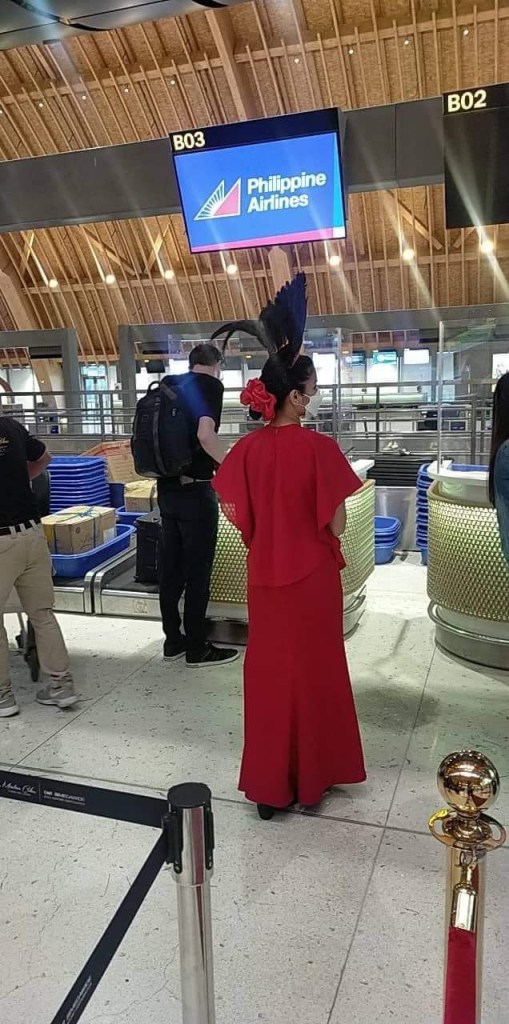
A few days back on departing Delhi, at check in there was a group at the front who were taking forever and in true Indian style wandering around and blocking the whole counter area taking their time. So my chaperone chap pulled me away and round to a different area where he cajoled someone into doing a bespoke check in and probably saved me half an hour – when you include the fact he also managed to convince the border force agent at the diplomatic channel to pass me through. Once I get past all the checks though I will wave them off and sort myself out from there.
Personally, I am not an airport lounge kind of guy. Often you go into these lounges only to find they are busier and more congested than the expansive terminal space outside and you end up sitting in more close quarters to fellow travellers. Admittedly, more comfortable seats maybe and the free food and drink certainly helps. But in terms of general “ambience” I personally prefer to find a spot at a nice bar in the main terminal in most airports.
Delhi is an acute example of this. Currently there is work going on which means that all airlines are sharing the Plaza Premium lounge. Back in the day, I used to be a regular at the Emirates lounge here, but that is closed now as the airport is moving everyone to a generic lounge environment. What is left is a busy, relatively small spot, and while there is nothing wrong with it, personally I prefer The Irish House.
I was introduced to this bar by Thibaut and Antoine (two colleagues) when we happened to be departing to Europe at the same time. It’s an easy going place and I believe I’m at a stage of being recognised the amount of times I’ve been here, “A Heineken and a bucket of fries please”.
Delhi airport, or IGIA – Indira Ghandi International Airport as it’s technically known – is a good airport. It has three terminals with T3 being the largest and newest one, which is where currently all the international flights depart along with the main volume of domestic flights. It has won awards and rightly so. It’s about as busy as Heathrow and is currently undergoing some major expansion work to bring it to 4 operational runways and the older terminal 1 to become a newly upgraded much larger facility. Once it is done it will be capable of handling well over 100 million passengers a year, making it one of the world’s busiest airports.
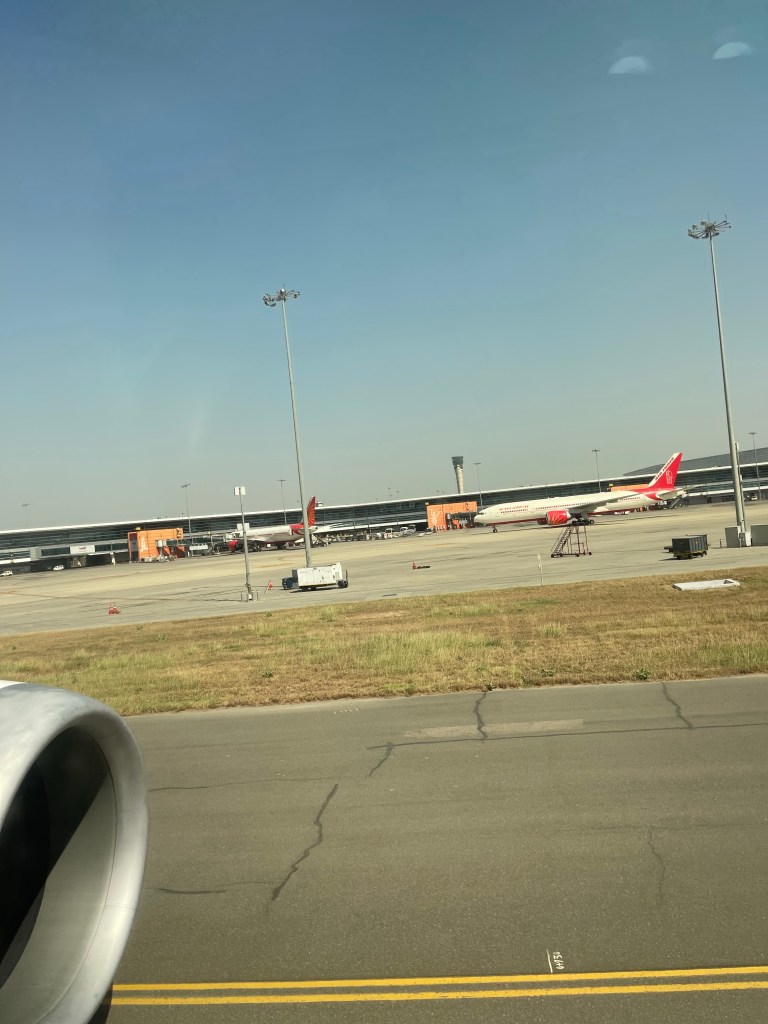
While the airport has its own aviation development team, and they manage the airline relationships and business development directly – i.e. trying to grow the number of passengers coming through the airport with new airlines and routes – my role is to oversee this, plus the other airports in our group in this aviation development field.
Delhi is a great airport and I hope we can do a lot to grow this business in the next few years as more capacity becomes available. That is what I am being paid to do. That, plus the same for our other airports in India and Asia. Ironically though, while Delhi is our largest and busiest airport it is also where less focus is needed, as everyone knows Delhi. The sales pitch is more focused around Hyderabad, Goa, Cebu and Medan in reality as this is where the real impact can be made.
Ultimately though you can see that this sort of role – encouraging airlines to our airports – means a lot of travel, as it’s us doing the selling and we need to go to see our customers (the airlines) to pitch our wares. Cue the air miles.
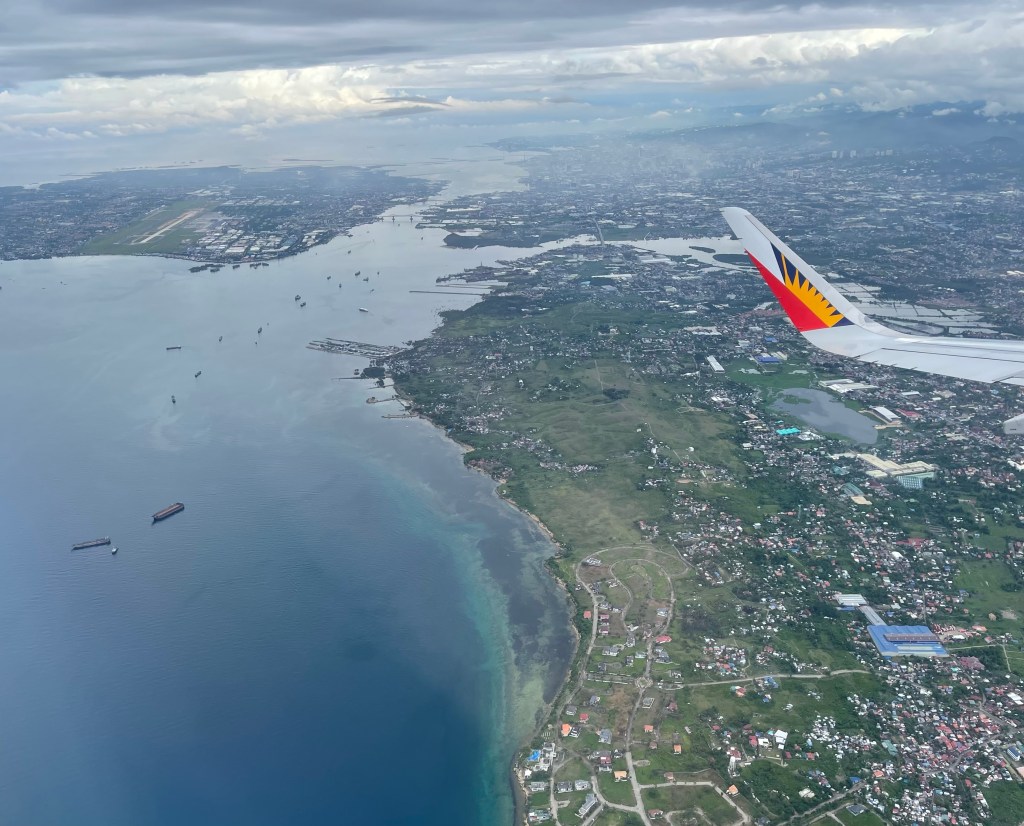
Contrary to popular perception, airports do not decide on routes and make them happen. We can only encourage an airline to choose to fly to us, and to launch services. Airlines can fly anywhere and where they choose to operate to is a function of their strategy, fleet, business model etc etc etc. We are competing with other airports quite genuinely across the whole globe if it is a long haul airline with the aircraft for such a service.
We’re also playing the long game. Airlines plan far in advance for various reasons, largely down to the complex pattern of planning that goes into a new route launch and all the operational requirements that are needed. Plus you need time to market the service to passengers, and have time for them to plan and buy tickets. Additionally airlines do not usually have spare aircraft sitting around which they are wandering what to do with. So as capacity becomes available (meaning aircraft come into the fleet to give them ability to fly new routes) these have to be carefully selected and detailed commercial assessments are done. We help with these where we can, and try to influence the planning but ultimately it is the airlines decision to make. It really is the long game though. Conversations I have now will at best reap dividends in terms of new aircraft landing at our airports in a year from now. Often longer. So somewhat bizarrely the fact I’m on a 3 year contract here means that some of my successes may only materialise once I’ve finished, they’ll just be the results of the work we put down now for the longer term.
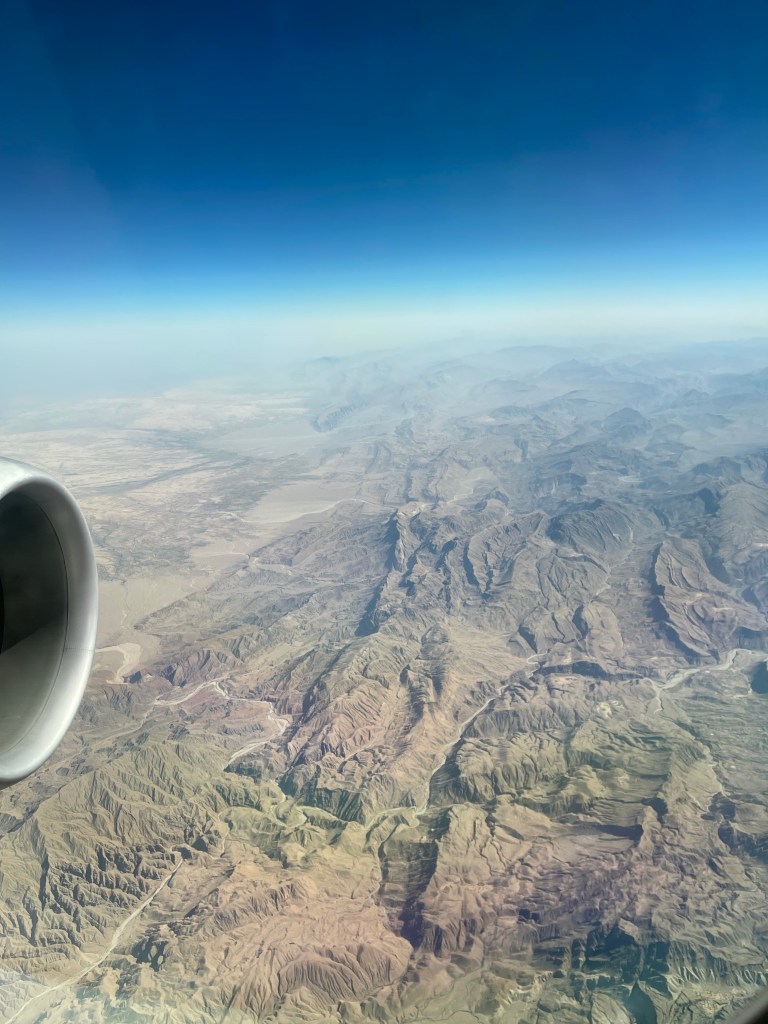
It is also big money. The cost of operating an aircraft from Delhi to London for example is no small sum (6 figures), and while the airport charges are a smaller percentage of that when you take a volume approach of recurrent flying, it does not take long for high volume revenue discussions. Hence a few quid on a few flights for the aviation team to get out and about to sell the business to airlines quickly pays off in the event of just a few wins. And that’s the reason for my job, and all the travel that goes with that. I will have meetings with airlines in their HQ’s and nothing will materialise straight away but repeating and repeating (Coca Cola marketing I call it – everyone knows who Coke is but they market themselves constantly to keep in people’s awareness) keeps us front of mind and when the time is right…
Anyway, that is why I have built up the air miles and continue to do so.
It is amazing how fussy you can become when you do it a lot. That fine dining on one airline didn’t come with a choice of wines. How terrible. The glass was plastic. Sacrilege. There were only two main courses to choose from. Oh no how will I cope!
Personally I’d like to think I’m not that guy. I do appreciate the better quality of flight now to be fair as I have been around the block a bit so know what is good and what is not. But I’m also a realist and I’d like to think I’m down to earth. As I said earlier I’m not fussed for the lounges. Status doesn’t interest me personally, I’m more focused on what’s actually nicer in reality than what should be nicer in theory.
I have my favourites for sure. I will openly say that Qatar Airways is probably the best in the sky. The Emirates A380 business class with the bar at the back is probably best for ultra long-haul.
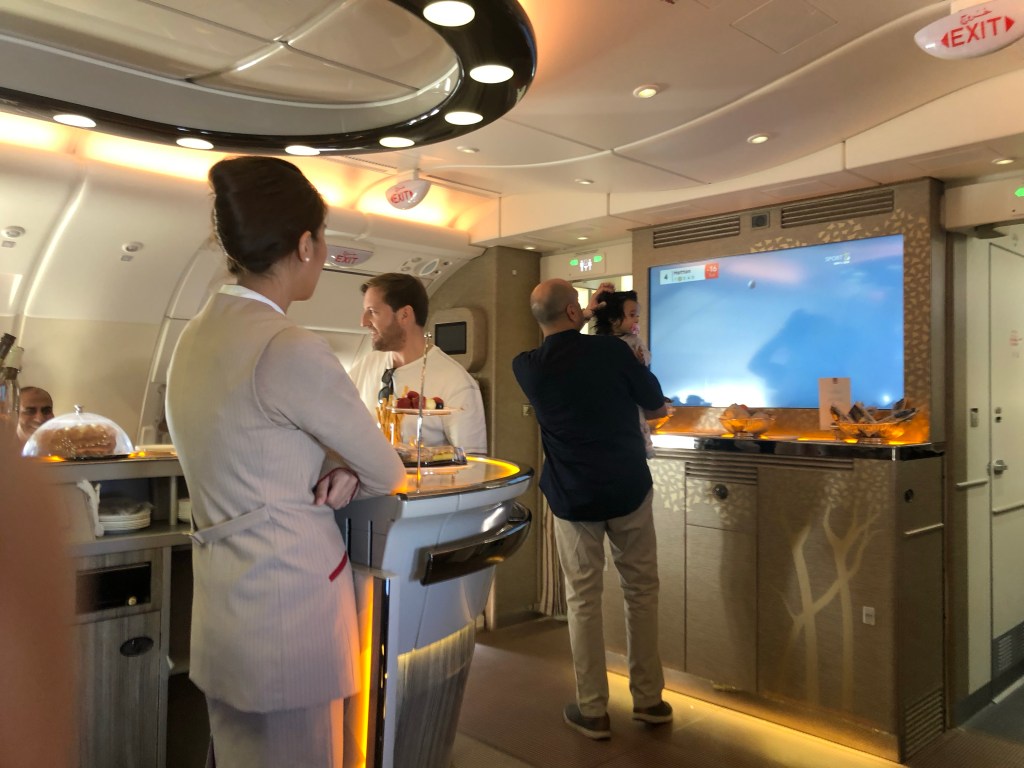
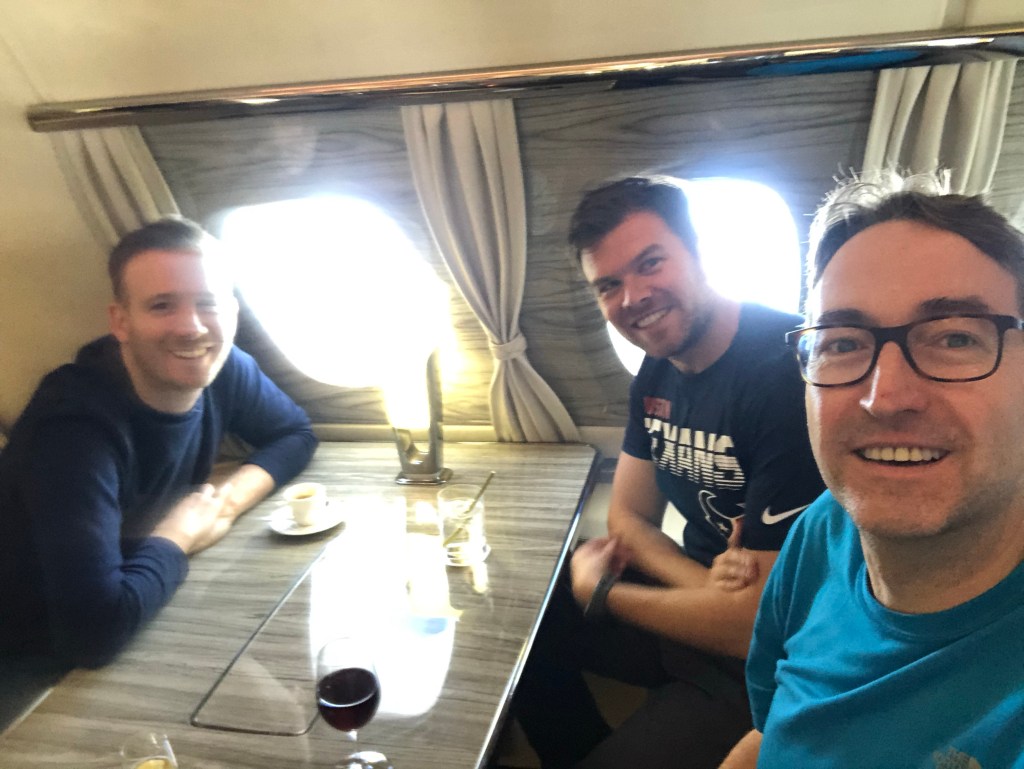
And actually while KLM is underrated, personally I find them one of the best in terms of service and Amsterdam Schiphol is a great airport to transit through. I shall refrain from saying openly which is my least favourite as this wouldn’t be fair and I don’t want to offend. If you know me well though, you will know that answer – sorry Jonathan! 😉
Travel in India is now almost back to normal, save for the mask wearing mandate. If I get technical the domestic traffic is back to pre pandemic levels already and international is well on the way to being also, save for those Asian markets (China in particular) that are still restricted. In fact, most of the world is getting back to normal, and the recovery is faster than most commentators predicted. That’s why we’re seeing chaos at some airports, due quite simply to the fact that passengers have started flying again, far quicker and sooner than was expected. Some airports simply haven’t been able to spool up fast enough to cope given the lead times and training times required to get these (actually very specialised) staff back in service. From a U.K. perspective Brexit has also been a massively damaging factor (not just for travel), as the resource pool is much reduced as a result.
Anyway… this is supposed to be about India!
India is the second largest country in the world in terms of population only marginally behind China, and may soon be the largest. So what is going on in the international stage is pretty relevant to say the least. The country is still developing for sure, but the momentum is there and it is exciting to see. Hence why it’s exciting to be part of the aviation scene in a market with such huge potential.
So while my focus is on growing the business of an Indian company, living and working there to do so, the nature of the role takes me far and wide and I’m fortunate in that regard. Yes it’s tiring, yes jet lag is a thing, and yes you can get lonely very easily. But I’m not complaining for sure. I used to be in roles that carried more ‘authority’ and team oversight, but personally I am not driven by status or seniority for the sake of it – to me it’s more important to enjoy what I do, and to be good at it. So the road warrior life continues for now.
When I do retire one day, I think I will be glad to hang up the wings though. The pandemic taught me the value of staying in one place and the real joy that can actually bring. Transience can have many downsides from a personal, friends, and relationship perspective. It really is so important to find the balance.
I think when I do retire I will stick to cruises.

 JC in India
Leave a comment