Today marks the 75th Anniversary of India’s independence from British rule. On this day in 1947 the country became the Dominion of India, before finally becoming a Republic just over two years later.
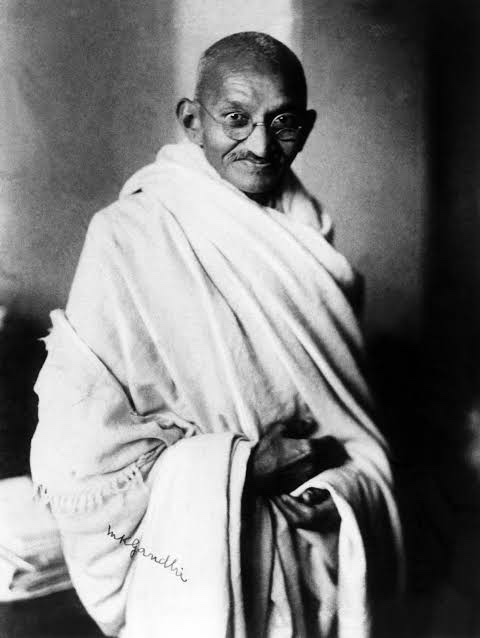
This region has a long and tumultuous history. Its colonial roots come from the original European traders that established outposts in the subcontinent by the 17th century. These traders over time evolved to become a more organised power known as the East India Company, and it was this entity that governed the region in various guises until in 1858 the British Crown replaced them as ruler. Since then the more recent history of the country that is the stuff of legend played out. The tales of Gandhi and his peaceful plight to create an Independent India are famous the world over, and the reputation of this one individual was rightly earned for his role in the country’s emergence as a free state.
The commencement of Independence back in 1947 also saw the start of the partition, with one of – if not the – largest mass displacements of populations the world has ever seen as a result. The Indian subcontinent divided itself into India and Pakistan (with what is now Bangladesh being part of the Muslim side) splitting as separate nations. Pakistan to be the home to the Muslims and India becoming home for Hindus and Sikhs. Estimates are that 15 million people were forced to relocate to their respective sides of the newly formed border and that in the violence that surrounded such around 1 million people lost their lives.
Historians state that this escalating conflict between the religious sides prior to the partition and the granting of independence, actually supported the cause of Gandhi in gaining independence sooner than expected. World War 2 had just ended, and the Government in Britain at the time realised it didn’t have the money, nor the mandate at home or abroad to continue to govern a more and more unstable Indian subcontinent. Hence once the decision had been made to allow India to become independent, the viceroy of India at the time Lord Mountbatten chose the second anniversary of the Japanese surrender in World War 2 to be the date of power transfer. The plan being to create two independent dominions on the continent, being Pakistan and India.
And so on the 14th August 1947 a ceremony occurred in Karachi to declare independence, while in Delhi later the same occurred, with India becoming Independent from midnight that night – the start of the 15th August.
There is a famous letter written by Sir Cyril Radcliffe who was the lawyer tasked with creating the legal constitution defining the boundaries of these new dominions. He sent a letter to his stepson the evening before the Independence ceremonies, where he stated:
“I thought you might like to get a letter from India with a crown on the envelope. After tomorrow evening nobody will ever again be allowed to use such stationary and after 150 years British rule will be over in India – down comes the Union Jack on Friday morning and up goes – for the moment I rather forget what, but it has a spinning wheel or a spiders web in the middle. I am going to see Mountbatten sworn in as the first Governor general of the Indian union at the Viceroys house in the morning and then I station myself firmly on the Delhi airport until an aeroplane from England comes along. Nobody in India will love me for the award about the Punjab and Bengal and there will be roughly eighty million people with a grievance who will begin looking for me. I do not want them to find me.”
On 17th August Radcliffe flew out of Delhi back to England, and it is said to be one of the first flights where security was feared and a full search for bombs was undertaken before they departed.
And the rest, as they say, is history.
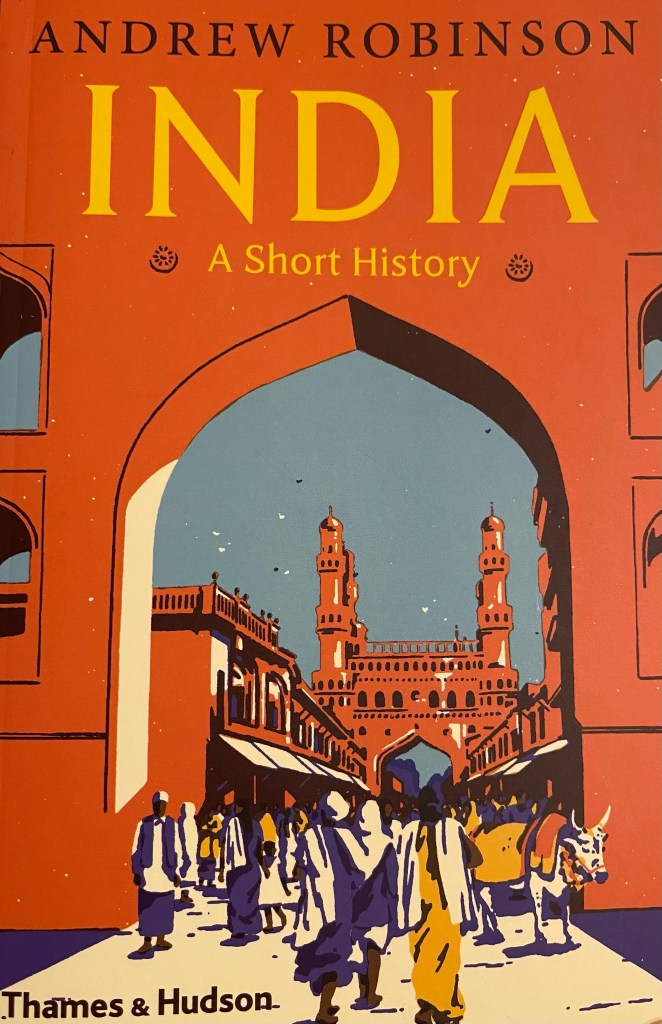
I will not make this post a detailed history lesson – I couldn’t profess to be able to provide much detailed education on the matter even if I so wanted. Although living here and experiencing the pride that exists with the local population makes it impossible not to learn the more notable elements of history by osmosis. If anyone is so inclined to dig deeper the book below pictured is worth a read, and is where I’m picking up the historical perspective which is important in understanding the cultural dynamic here.
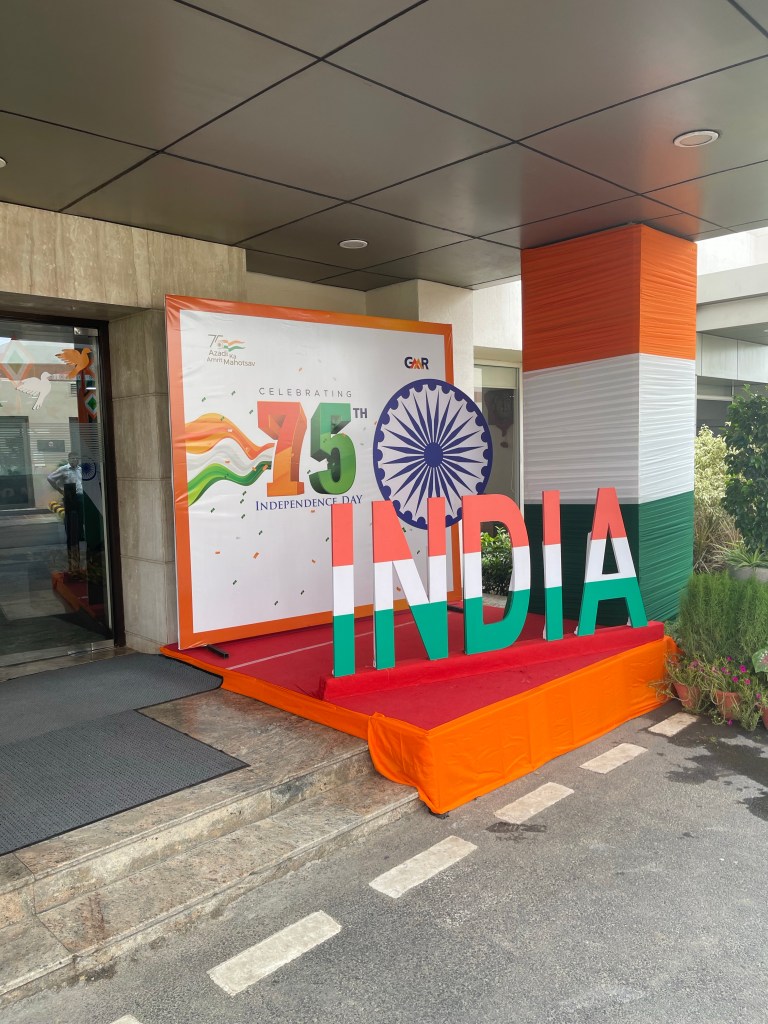
Today marks a statement of real pride in this country. Most businesses here (ours included) have decorated offices and other locations to mark the day, with corresponding celebrations of various forms leading up to it.

Most of my friends and colleagues here are flying their national flags high both physically and virtually today. A lot of people I know here have changed their social media icons to be an Indian flag to mark the occasion, a call on the population to unite that came at the behest of Prime Minister Narendra Modi himself.
So seriously was this call actually taken, that in our company the senior team (of which I’m technically included) were mandated to do likewise and specifically to change our WhatsApp icon to be the Indian flag.

This was controversial for us expats, myself particularly given I’m British and the celebration is of independence from us Brits. I towed the line though and made the change, although I do feel that this is a political step that shouldn’t be mandated. People should have free will and the right to free speech is important. Yes I support India, and am endeared to the charms of this country, but it should be a personal choice what persona people portray in a public forum. It’s fine to be proud of your nation, and to feel a national affinity, but obsessive adherence to Nationalism (note the capital N there) can have very negative ramifications. We only need to turn on the news now to see how much unnecessary turmoil exists in this world due to one countries desire to extend their influence onto others.
Here though the desire to fly the national flag (physical or virtual) is simply an expression of demonstration of the pride that exists in this country, and so is not harmful in its core intent. Hence my acceptance to go with the flow. I am proud of my time in India, and I am proud of the attitude and nature of the people here and all this country has to offer, so demonstrating affinity with this is fine with me.
For me and likely anyone reading this we do not remember a world before India and Pakistan existed in their own right, and it’s all too easy to forget the lessons that history has taught us.
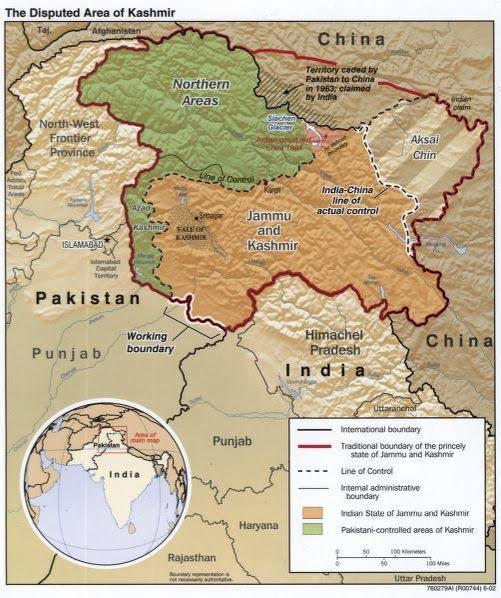
The immediate years following independence were blighted by the bloodshed that was caused by the religious divide. To this day there is a fierce rivalry between Pakistan and India, and it is a serious rivalry too. There still remains disputed areas in the northern part of India – Kashmir particularly – which may be portrayed differently on a map depending whether the map is hung on a wall in Delhi or Karachi.
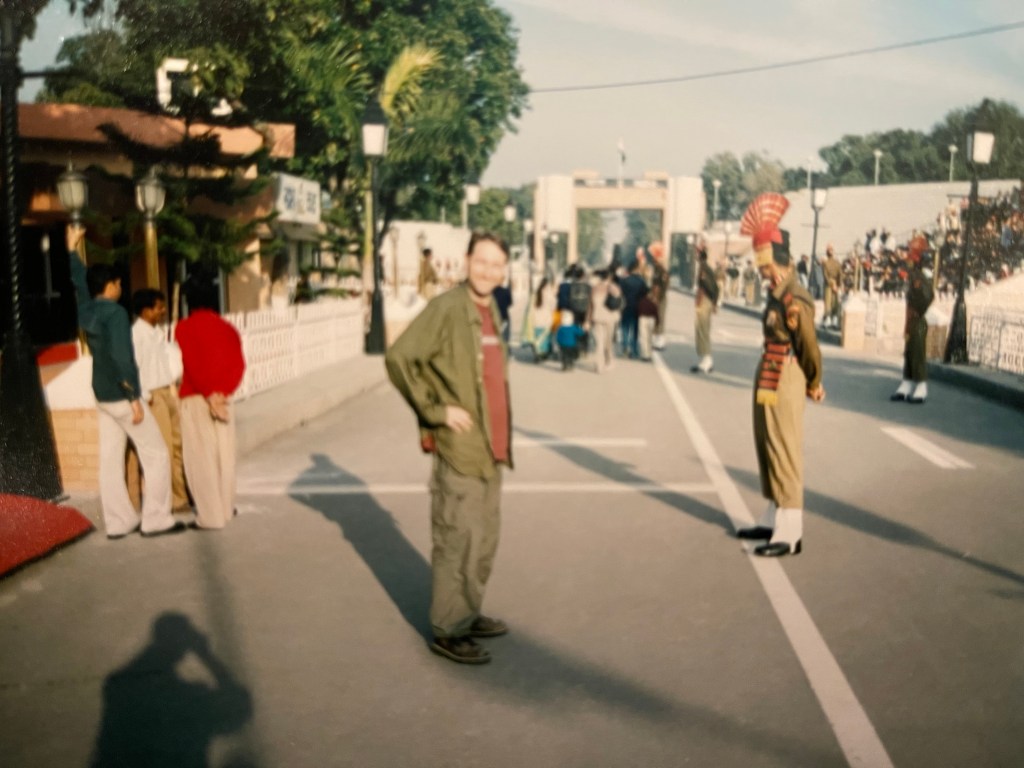
I still remember visiting Wagah on my first trip to India and being in awe of the spectacle that is the border crossing between India and Pakistan. Stadium level seating exists where depending on which side of the border you sit, you are chanting (screaming!) either “Hindustan” or “Pakistan” at each other while the border guards do their daily ritual of closing the border strutting their stuff at each other showing off their military prowess. It ends with a firm hand shake between the opposing sides lead guards and a firm slamming shut of the gates. If ever you wanted a demonstration of the sentiment that exists between these two countries that is it.
It is not for me to comment whether the last 75 years has achieved all that was dreamed of, or the rights and wrongs of the decisions made at the time. All I can do now is live in and savour what has resulted from these events and the years since. What I do see is a deep national pride, and a genuine sense of the growth and the potential this country has seen, and will continue to see. There are challenges here, and the physical geography and climate, combined with the mass population – likely to become the most populated country in the world next year overtaking China – do present inherent challenges to lifestyle. Hence the poverty and wealth extremes seen here, and all the other reputations that come with this country.
Today the Indian people are calling out “Jai Hind”, Which translates as Victory to India. There have been processions, speeches, and numerous celebrations this day. These have been aligned with the unveiling of various major initiatives here in India, primarily orientated around improvements in infrastructure. In fact our new airport in Goa features as one of these initiatives even though it will open in the months ahead not actually today.
Overall the country is today embracing the next steps in its evolution, and national pride is at an all time high. It’s exciting to experience and to be present in this period. When looking at history through a wider lens, the last 75 years are merely the start and is a short stretch in the overall perspective of history and whatever is next. It would be fascinating to know where this country will be 75 years from now. I suspect it will have gone from strength to strength.
Jai Hind!

 JC in India
Leave a reply to flanhe Cancel reply