“Monsoon”: def. a seasonal prevailing wind in the region of South and SE Asia, blowing from the south-west between May and September and bringing rain (the wet monsoon), or from the north-east between October and April (the dry monsoon).
Basically, it means Delhi and a good part of Southern India gets ‘a bit wet’ during this period!
It has been raining a lot recently with, at times, torrential downpours completely disrupting day to day life. Rivers overflowing adversely affecting low level communities, roads being flooded bringing traffic to a halt, intense storms passing over the airports preventing flight movements, and more general impacts of sheer waterlogging in the community. The Monsoon is an annual phenomenon across India, and something that is a part of the annual climate cycle here. In the main, the country is well prepared for it.
Southern India takes the brunt of the Monsoon season, with it starting sooner and ending later there. Mumbai – a particularly low-level city on the western coast of the country – is accustomed to streets being flooded and residents remaining in offices until the flooding subsides, with roads submerged under inches deep water at times.
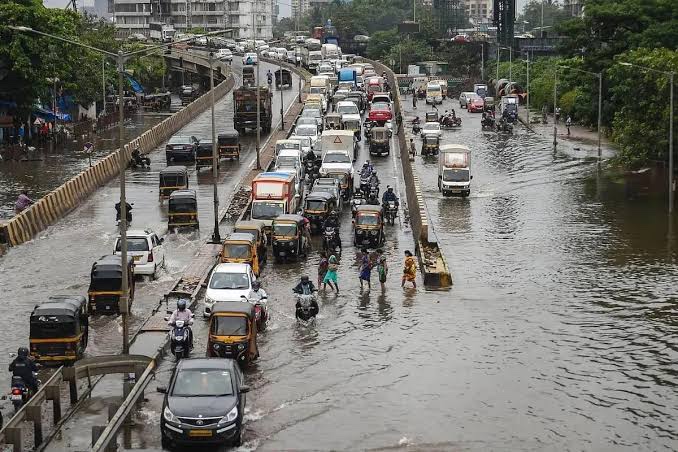
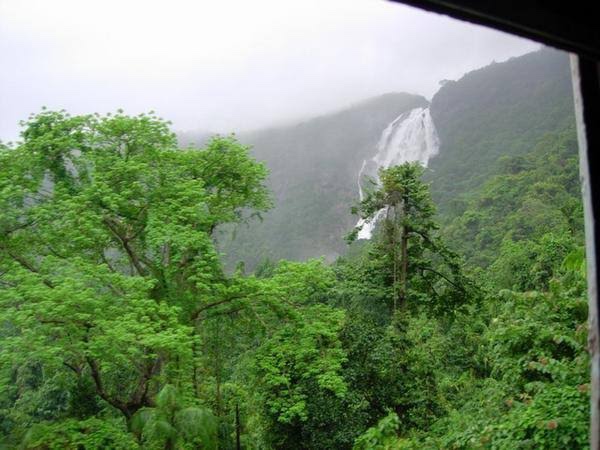
It is partly the reason why some of these states, such as Goa and Kerala, are particularly green and jungle like in their topography. Monsoon tourism is even a thing, with people from all over India (and some from overseas) visiting the regions in these months over the summer to experience the rains. Given the high temperatures that remain, such makes for a very humid and harsh environment at times which is often very oppressive in its nature. A hot sun blazing in 40-degree heat with high humidity from previous rains is something to be experienced…
Delhi’s Monsoon season is shorter, being further North and inland. Delhi is about 650 or so miles from the nearest ocean, with its broadly flat nature and location making the city very susceptible to storm activity. And these storms can be ferocious. The claps of thunder, the flashes of lighting accompanied by howling winds and lashing rain are a thing to behold. Preferably from an indoors location. Often when such storms pass, power cuts and accompanying general disruption can occur. So far this year there have been a number of occurrences where Delhi Airport has seen flights diverted to other nearby airports. Jaipur seems to benefit quite regularly, and is often the diversion point for inbound operations, which land and wait there for the storms to pass before coming back to Delhi to try again.
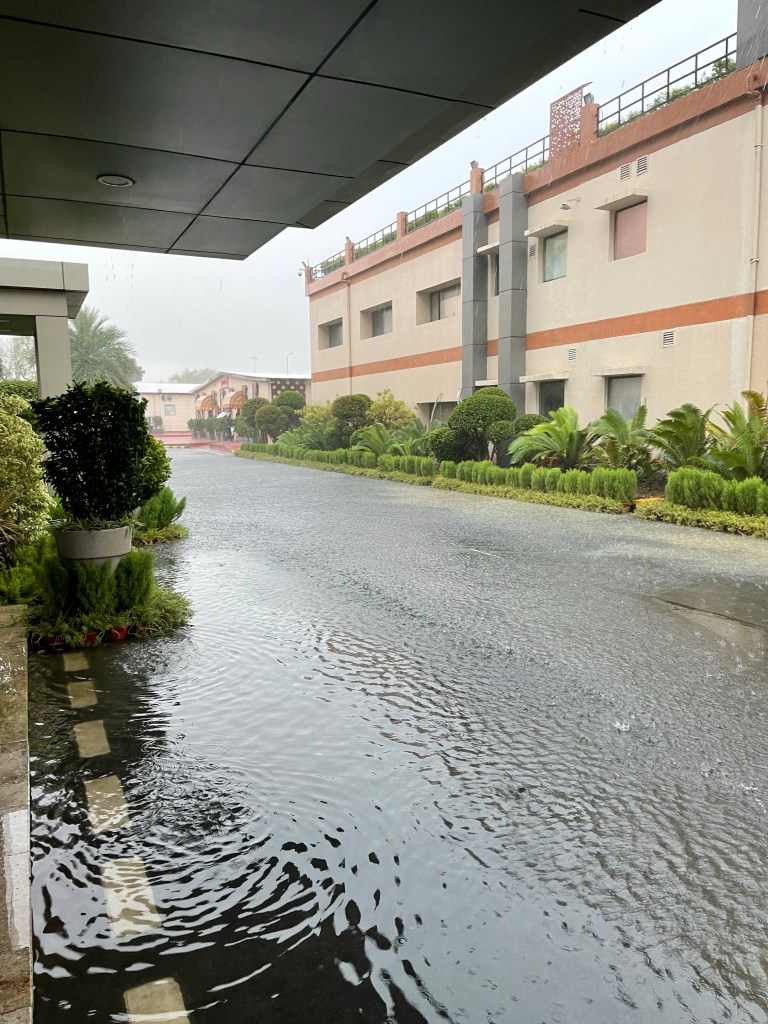
This year seems to me to be worse than last year. Although ‘worse’ is probably not a fair description, as the Monsoon and the rains that are part of this, are a key part of the ecosystem here so are not to be viewed negatively. Life exists in a manner that is adapted to the Monsoon and is accustomed to it being part of day to day life in the summer months. But that does not mean it is easy to cope with at times.

Personally, I have seen only occasional impacts to my life here. There have been a few occurrences where the journey back from the office has taken longer because of roads being flooded and cars having to filter to one lane to get through. Last night for example the rains started while I was out picking up pizzas to take to Gordons apartment for a dinner with a few of us expats (plus Monti, Patrick’s dog). The resulting torrential downpour ground traffic to a halt and the two-mile journey from Leo’s pizza place to Gordon’s apartment took 45 minutes.
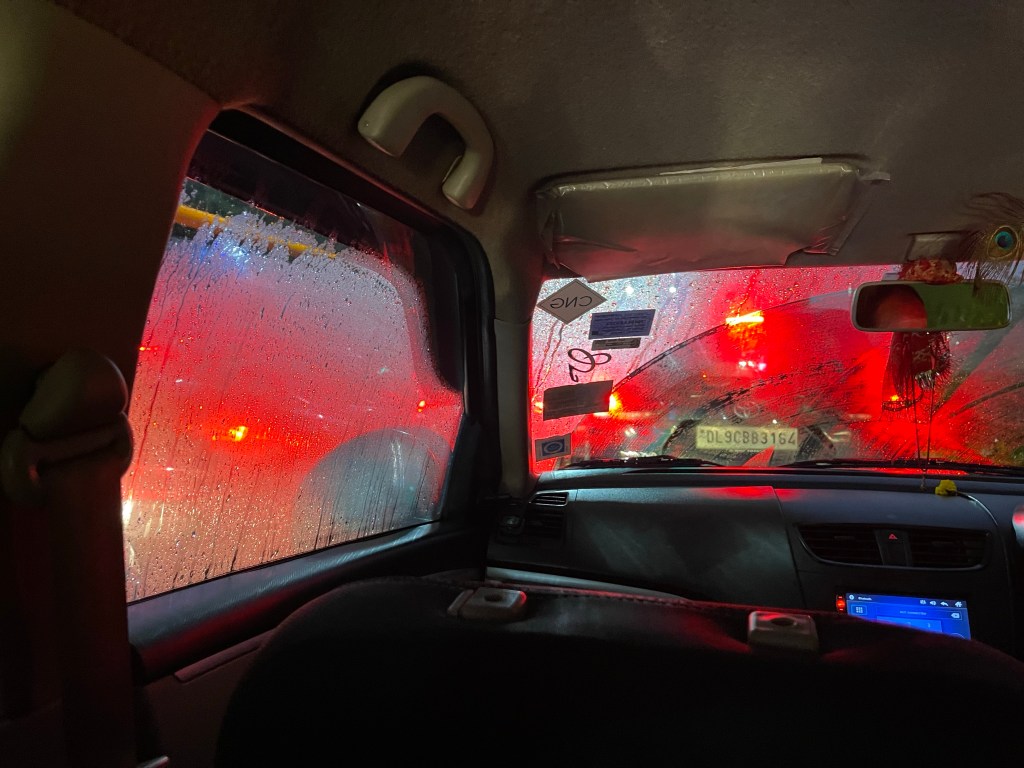

Needless to say, we had to reheat the pizzas and Monti the dog was growing impatient!

The seasons in Delhi therefore are very defined. January and February are cold, polluted and generally pretty grim. March is nice. April, May and June are blisteringly hot. July through to September are humid, and for the first part impacted heavily by the Monsoon. Then October can be a repeat of March, although with a higher underlying humidity, before November kicks in with the Diwali pollution and crop burning poisoning the air of Delhi which runs through into the next year.
So now I understand better why when I moved here, I was told my terrace would only really be usable for a short window – basically March and potentially October also. I fully agree with this now, and aside from the occasional potter and clean up, the terrace is more a nice thing to look at from inside rather than to actually sit out on. Although it does present a great vista for watching the storms when they pass through.

During the heavy rains, the associated flooding also presents another hazard – increased pollutants in the local environment. Considering the streets and pipeline infrastructure of Delhi (and most of India) are not necessarily the most hygienic, the wash up from flooded streets can cause such waste to be washed across wider areas and into drainage systems that accumulate such substances into the whole system. It is therefore even more of a need to be alert to potential water borne hazards at times like this.
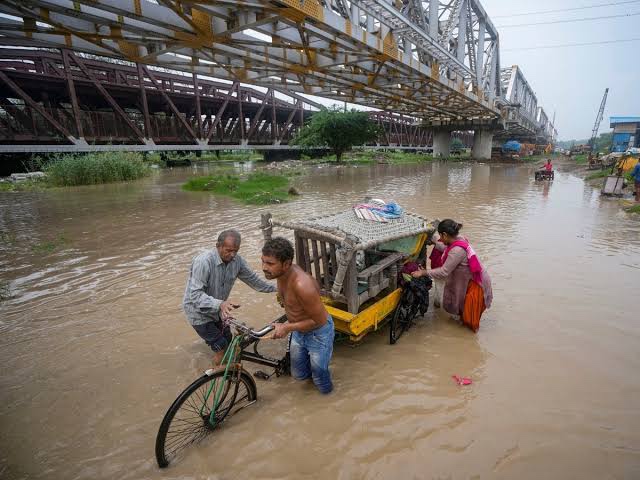
It is easy to write such from the comfort of this position, with an apartment well raised from street level and the impacts of such flooding. But for the population that must suffer more directly the effects, it is saddening. I have seen people wading through water pushing carts and bicycles knee deep in the waters. I have heard of slums and villages which are literally existing in similar levels of water with residences immersed. Where some residents sleep on these floors, the disruption and discomfort is unimaginable at times. We are fortunate.
Aside from the flooding, all year the seasonal variances described above must be coped with by many people without the luxuries of air conditioning (or heating in the winter). When I come home from a day at the office or a trip away, the first thing I do is put the air conditioning on, as the heat in the apartment can best be described as stifling sometimes. Until the air con kicks in, that half hour or so I usually run the fan to help cope with the temperature and the humidity. Then once cooled down, the minute I step out the door onto the terrace or out the door into the hallway the blast of heat/humidity can be quite overbearing. To have to live here without access to air conditioning, or heating when required must be tough, and I feel real empathy for those many people that have to do so.
My guards are the most tangible evidence of this to me, as I see them each day without access to such cooling. I hope the fan I donated to them helps (or helped – past tense – as I have not seen it in a while so it may have found its way to one of their homes I expect..). Similarly in the winter I gave them a thick blanket, although I fully expect that will need replacing this winter. I wonder what is in their minds when they do occasionally come into my apartment to deliver something or help carry something and feel the artificial coolness. I do not know if they ‘envy’ so much or are simply curious. Do they dream for a day when they may have such comforts, or are they resigned to a life without? I doubt I will ever really know the answer to this. But the best I can do is be kind to them, and to help them where I can. While at the same time doing my best to ensure relative separation is maintained so as not to be taken advantage of. It is a fine line.
Said line has been close to being crossed recently, with ‘Watergate’ as I shall forever know it. While I had a temporary day guard, when Vikas was away to get married, there were a few occasions when he would come up asking for ‘Paanee’ (water). It seems downstairs in their ground floor garage area there is no drinking water source, so I can only assume it is on them to bring their own water to see them through their shift. I think the ‘Paanee’ requests were partly a masked attempt to also seek for any potential tips that may be going. But given he was temporary and a little bit ‘away with the fairies’, I helped out. I have a water cooler which gets replenished each time it runs low by my property broker (my maid tells him when it is running low and then I will come home to find a new bottle ready and waiting to be loaded on). The guards know this is here, so I think the temporary guard saw this, and with my friendliness versus the other residents (I can only assume) I would be seen as a soft touch when in need.
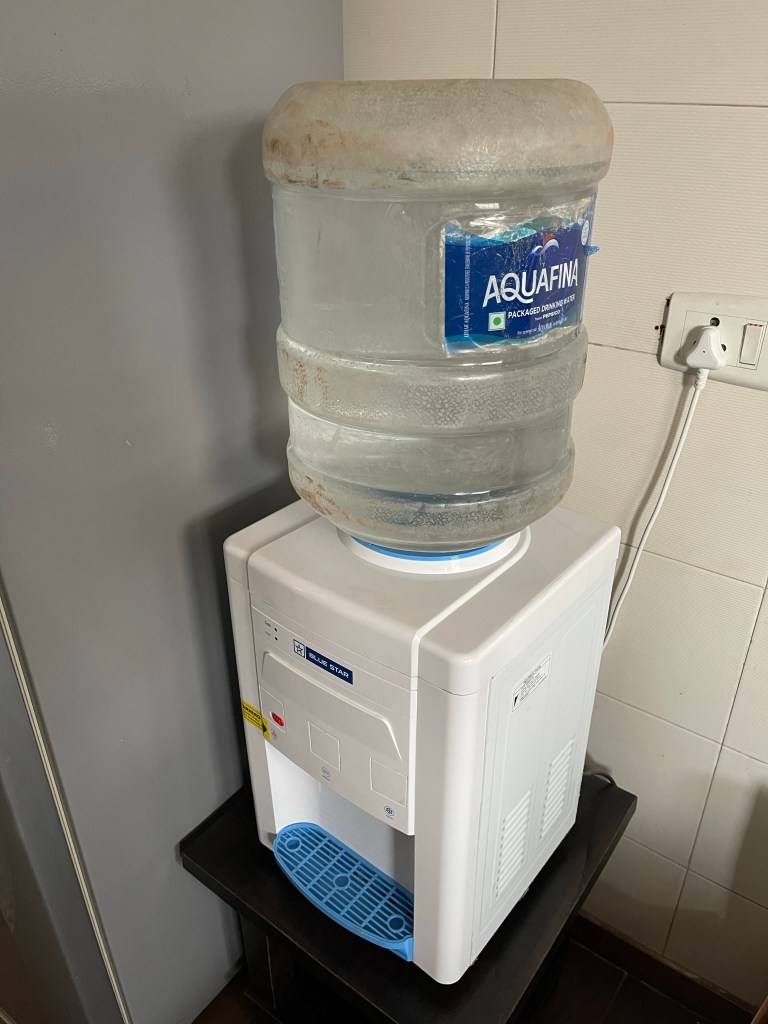
I thought this was isolated to the temporary chap, although a week ago Pushpender my regular night guard messaged me around 9.30pm asking to come up for water. My first reaction was of concern that this would become a habit, and I did not / do not, want to become a 3rd floor water fountain for them. So, I grumbled a bit that he needed to have his own but let him come and get some that time. Thankfully he has not asked again yet, but since then I have been a little more conscious of the water situation and noticed that after my maid had been the levels had reduced quite a bit. So, the next time she was coming I monitored it closely just so I knew I was not imagining it, and lo and behold there was quite a drop from when I left in the morning to returning that evening. I therefore wonder if all along my water cooler has been supplying water for my maid and maybe her family also, as the amount of reduction is not just one small bottles worth for consumption while here.
To be honest, I actually do not mind about the water. The cost is negligible (a whole bottle costs about 100 rupees – £1) but I would just prefer to be asked. I genuinely do not mind my maid using that water while she is here, and I also do not mind helping the lads out in times of need. But I don’t want to be taken advantage of, or to become the proverbial water supply.
If the request for water comes again, I shall allow, but at the same time state that it must be that they need a water supply and that I will ask the landlord to source one. Something tells me that would nip the requests in the bud!
That little ‘Watergate’ situation is a microscale view of the macro way of life here. There is a need to be opportunistic for those sadly lower down the food chain. From the comfort of a world where we are used to having all sorts of protections to fall back on – the NHS, the welfare system, etc., it is easy to view such as crossing boundaries or being deceptive. But when viewed through a lens of having no protection, no mechanism for support in the event of an inability to get what is needed to survive, it is easier to understand just why such behaviour is exhibited. Part of my lifestyle here is to help where I can, and I will always do my best to support the local people within my circle. But in the right way, and with the right balance.
The rains in Delhi are beginning to subside now. The downpours becoming less intense and less regular. Soon we shall be approaching the end of the summer, and the impacts of Diwali and the crop burning, combined with the fall in temperatures, will soon be bringing fresh toxicity to the air. The flooding will retreat into memory, and a fresh challenge will need to be faced. The cycle will continue, as another year rolls by, and my second year here will come to an end.


 JC in India
Leave a reply to Dr S Cancel reply